May 12, 2010
Once Upon a Time, There Was a Wonderful Brand
By Martin Lindstrom
http://www.martinlindstrom.com/
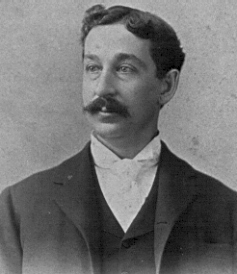
The year was 1895. King Camp (his real name) stood before his shaving mirror, as he'd done many times before. A new thought occurred to him. His
cut-throat razor was performing its job as well as usual, but so little of the blade was actually used in the shaving process. King Camp wondered about a new type of blade, one practically all edge. He thought about housing it in a device that would make shaving cuts and accidents nearly impossible. Then, he thought about making it disposable. If he could make a blade that was thin, flat, efficient, cheap, and disposable... did I neglect to mention King Camp's surname was Gillette?

We all love a good story. More important, we remember good stories. Good stories make things personal. We identify with characters and recall details associated with them. The effect is the same when characters are brands. Introduce a
brand in the context of a good story, and the corporate entity gains personality. It becomes warm and friendly.
Many brands forget interesting bits and pieces of their pasts, the details that make them unique and differentiate them from other brands. Why all this talk about branded story telling? The Web is probably the best place for sharing a story.
A Web audience can explore fascinating stories, like why a
Coke bottle looks like it does or how Band-Aid and
Mars Bar got their names. A good story around a brand, one intrinsic to its identity, is an effective way to generate consumer understanding and loyalty. Why are stories untold by Fortune 500 companies? You hardly ever find a good story on a brand's Web site, despite the fact most companies would have a story to tell that makes them unique.